Understanding the psychology behind gambling decisions in casinos
The Allure of Gambling: Psychological Triggers
The thrill of gambling is deeply rooted in psychological triggers that captivate the human mind. One major factor is the concept of risk and reward. The unpredictability of outcomes can heighten excitement and encourage players to engage more deeply. This uncertainty often leads to a state of anticipation, where the potential for winning creates a rush of adrenaline, making it difficult for individuals to resist placing bets. In this context, exploring non gamstop casinos uk can reveal how the industry’s evolution has aligned with these psychological factors.
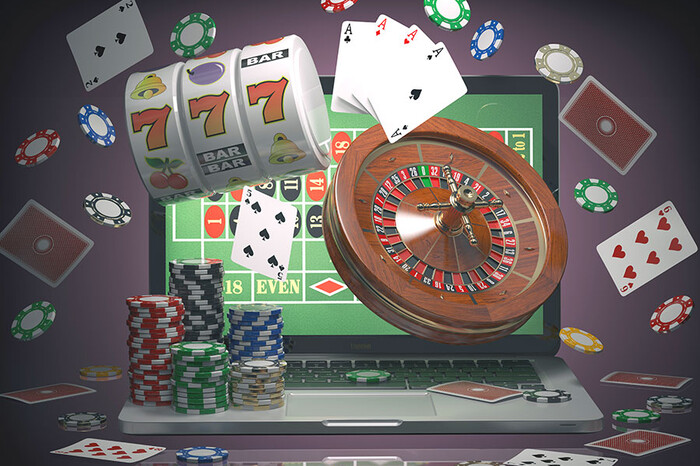
Additionally, the environment of a casino itself plays a significant role in enhancing these psychological triggers. Bright lights, vibrant colors, and engaging sounds are meticulously designed to create a captivating atmosphere that keeps players entertained. This sensory stimulation can manipulate emotions, drawing individuals into the experience and influencing their decision-making processes.
The Role of Cognitive Biases in Gambling
Cognitive biases significantly impact how individuals make decisions in gambling contexts. One common bias is the illusion of control, where players believe they can influence outcomes in games of chance. This belief often leads to increased participation and riskier bets, as players feel empowered by their perceived ability to sway results.
Another prevalent bias is the gambler’s fallacy, which is the misconception that past events affect future outcomes in independent games. For instance, a player might think that a particular slot machine is “due” for a win after a series of losses. Such biases not only affect decision-making but also contribute to a cycle of continuous play, often leading to greater financial loss over time.
The Impact of Social Factors on Gambling Behavior
Social factors also play a crucial role in gambling decisions. Group dynamics can significantly influence how individuals approach gambling. When in a social setting, people may feel more encouraged to take risks, influenced by the behavior of others around them. This sense of camaraderie can create a feeling of shared excitement, leading to increased betting and participation.
Moreover, the impact of social norms and peer pressure can be substantial. Individuals may conform to the behaviors of their peers, believing that gambling is a socially acceptable activity. This often leads to a normalization of gambling behavior, making it a common pastime rather than a calculated decision, further complicating the psychological landscape of gambling.
The Emotional Rollercoaster of Gambling
Gambling evokes a wide range of emotions that can impact decision-making. The highs of winning can lead to feelings of euphoria, while losses often result in disappointment or frustration. These emotional fluctuations can cloud judgment and lead to impulsive decisions, such as chasing losses in hopes of regaining previous winnings.
Additionally, the emotional connection to gambling can create a cycle of dependency. As players seek to recreate the thrill of a win, they may disregard rational financial planning. This emotional investment can overshadow logical thinking, making it difficult for individuals to recognize when to stop, ultimately impacting their financial well-being.
Final Thoughts on Understanding Gambling Psychology
Understanding the psychology behind gambling decisions in casinos is essential for both players and industry professionals. Recognizing the cognitive biases, emotional responses, and social influences at play can lead to more informed decisions. This awareness can empower players to gamble responsibly, ensuring their experiences remain enjoyable rather than detrimental.
The insights gained from studying this psychological landscape can also benefit casino operators, who can create environments that promote safe gambling practices. By fostering a culture of responsible gambling, the industry can contribute to a healthier relationship between players and their gaming experiences.