
The Many Facets of Freedom: A Journey Through Ideas and Expressions
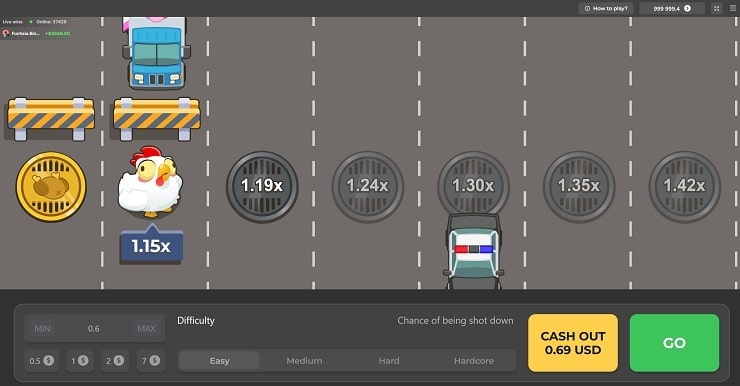
Freedom is a topic that resonates with nearly every individual on the planet, yet its interpretation can vary widely from person to person. For some, freedom is the ability to express oneself without fear of retribution; for others, it might mean the liberation from oppressive regimes. One of the places where freedom manifests itself vividly is in the realm of entertainment, such as free Chicken Road casinos, where people indulge in the thrill of choice, chance, and enjoyment. In this article, we delve into the myriad dimensions of freedom, exploring its significance across personal, societal, and artistic realms.
Personal Freedom: A Fundamental Human Right
At the core of any discussion about freedom is the notion of personal liberty. This type of freedom embodies the rights and privileges that individuals hold, including the freedom of speech, religion, and movement. It is the foundation upon which societies build their laws and norms, established through the centuries of struggle and often bloodshed. From the suffrage movement to the civil rights movement, the quest for personal freedom is a recurring theme in human history.
Personal freedom empowers individuals to make choices about their lives, whether that involves career paths, relationships, or beliefs. Psychologically, the ability to exercise personal freedom is crucial for mental well-being. Research has shown that individuals who feel more in control of their decisions experience higher levels of happiness and lower rates of anxiety and stress. Therefore, promoting personal freedom is not just a social imperative but also a psychological necessity.
Societal Freedom: The Importance of Collective Liberation
While personal freedom is important, societal freedom takes this concept a step further. Societal freedom involves the collective rights of communities and nations to govern themselves and operate without external interference. This kind of freedom is often defined in the context of democracy, governance, and social justice. Movements advocating for systemic change—such as anti-colonial movements, labor rights, and LGBTQIA+ rights—highlight the importance of societal freedom in fostering a just society.
To attain societal freedom, it is imperative that citizens engage in vigilant civic participation. Voting, activism, and public discourse are essential tools that enable individuals to influence the governance and policies that affect their lives. However, this responsibility also carries with it the weight of ensuring that the freedoms of others are protected and celebrated. In a truly free society, individual and societal freedoms should coexist harmoniously, enhancing one another.
Creative Freedom: The Essence of Self-Expression
Another vital aspect of freedom is creative freedom, which embodies the liberty to express oneself through various mediums—art, literature, music, and more. Creative freedom serves as a powerful tool for communication and understanding, enabling artists to challenge norms, provoke thought, and inspire change. Throughout history, many artists have used their platforms to address pressing social issues, thereby enriching the collective conversation about freedom.
However, creative freedom is not always guaranteed. Throughout history, many artists have faced censorship and oppression for their works, as seen in the cases of prominent writers and musicians. This raises critical questions about the limits of freedom of expression—where should we draw the line? How do we balance respect for cultural sensitivities with the inherent right to free expression? These are complex issues without straightforward answers, highlighting the need for ongoing dialogue about the nature and limits of creative freedom.
Economic Freedom: A Tool for Empowerment
Economic freedom is another essential dimension of the overall concept of freedom. This type of freedom refers to the ability of individuals to control their economic resources, make choices without undue restriction, and pursue opportunities to generate wealth. Economic freedom is crucial for promoting innovation, entrepreneurship, and ultimately, prosperity.
In many ways, economic freedom can be seen as a pathway to achieving not just personal wealth, but also societal equity. When individuals have the freedom to create and innovate, the entire economy can flourish, leading to job creation, stability, and improved living standards. Conversely, restrictive economic systems can stifle creativity and limit opportunities for growth, leading to societal stagnation and inequality. Thus, promoting economic freedom is vital for unlocking individual potential and stimulating collective prosperity.

Global Perspectives on Freedom: A Diverse Landscape
Freedom is not a monolithic concept; its interpretation and implementation can differ profoundly across cultures and societies. For instance, certain countries place a higher value on collective freedom, emphasizing the well-being of the community over individual rights. In contrast, others prioritize personal freedom, advocating for individual liberties regardless of the impact these choices may have on the collective.
Understanding these diverse perspectives is crucial for fostering global dialogue about rights and freedoms. Cultural sensitivity and an appreciation for differing viewpoints can bridge divides and promote cooperation. As our world becomes increasingly interconnected, understanding and respecting the various dimensions of freedom across cultures will be vital for global peace and collaboration.
The Role of Technology in Shaping Freedom
In the contemporary world, technology plays an unprecedented role in shaping our understanding and experience of freedom. The rise of the internet and digital platforms has revolutionized the way we express ourselves, connect with others, and access information. However, this digital freedom does not come without challenges. Issues of privacy, surveillance, and digital censorship pose significant threats to our liberties in the online space.
As we navigate these complex issues, it becomes essential to advocate for digital rights alongside traditional civil liberties. Ensuring that individuals maintain freedom in the digital realm is crucial for safeguarding access to information, fostering creativity, and promoting active engagement in social and political processes. The intersection of technology and freedom will continue to be a defining theme in the years to come.
Conclusion: Embracing the Complexity of Freedom
In closing, freedom remains one of the most cherished yet complex concepts in human existence. From personal liberties to creative expressions and economic opportunities, freedom manifests in diverse ways that shape our identities, societies, and interactions. As we continue to explore and advocate for freedom across various realms, it is essential to recognize and celebrate the interconnectedness of different forms of freedom. Embracing this complexity will allow us to create a richer, more inclusive dialogue about what it means to be free in today’s world.