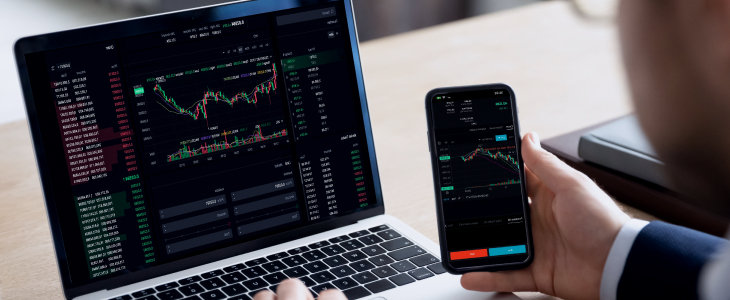
In the world of finance, Forex futures trading represents a critical component of the global trading landscape. It combines the dynamics of foreign exchange with the structured timelines and regulations of futures contracts. Traders seeking to excel in this arena must navigate complex market conditions and manage risks effectively. Platforms such as forex futures trading islamic-fxtrading.com can provide valuable resources and insights to help beginners and seasoned traders alike.
Forex futures are agreements to buy or sell a specified amount of a foreign currency at a future date, at an agreed-upon price. These instruments are standardized and traded on exchanges, which helps provide liquidity and transparency in the market. One of the key appeals of Forex futures trading is the ability to leverage capital, which means that traders can control a large position with a relatively small investment. However, this leverage can magnify both profits and losses, making it essential for traders to implement sound risk management strategies.
One important aspect of Forex futures trading is understanding the role of margin. When a trader enters a futures contract, they are required to deposit an initial margin—a fraction of the total contract value. This margin acts as a performance bond and is crucial for keeping the trading system efficient. Margin requirements can vary based on the currency pair being traded and market conditions, so it’s essential for traders to stay informed about these changes.
Understanding Market Dynamics
A successful Forex futures trader must understand the intricacies of the market, including how various economic indicators impact currency valuations. Economic reports, geopolitical events, and central bank policies all influence exchange rates. For instance, a country’s employment data can affect its currency strength; positive job growth typically indicates a healthy economy, making the currency more attractive to investors. Therefore, being abreast of news releases and economic calendars is paramount for traders.
In addition, traders should familiarize themselves with fundamental analysis and technical analysis. Fundamental analysis involves evaluating a country’s economic health and political stability, while technical analysis focuses on statistical trends from trading activity. By combining these two approaches, traders can make more informed decisions. For example, a trader may use technical analysis to identify a bullish trend based on chart patterns while using fundamental analysis to ensure that the economic situation supports potential currency appreciation.
Choosing Trading Strategies
There are various strategies traders can implement in the Forex futures market. Some of the most popular strategies include day trading, swing trading, scalping, and position trading. Each approach carries its own risk and reward profiles.
- Day Trading: Involves opening and closing trades within the same day. Day traders capitalize on short-term price movements and often use technical indicators for decision-making.
- Swing Trading: This strategy focuses on capturing larger price movements over several days to weeks. Swing traders often incorporate both fundamental and technical analysis.
- Scalping: A high-frequency trading strategy where traders look to make numerous small profits from minor price fluctuations throughout the day.
- Position Trading: This long-term strategy involves holding positions for weeks to months, relying heavily on fundamental analysis to identify trends and shifts.
Each trader must find a strategy that suits their personality, risk tolerance, and trading goals. Moreover, what works for one trader may not necessarily work for another, so it’s crucial to experiment and refine your approach over time.
Risk Management Techniques
Effective risk management is vital in Forex futures trading. One common method is the use of stop-loss orders, which automatically close a position once it reaches a set loss limit. This helps mitigate potential losses in volatile markets. Additionally, traders should avoid risking more than a small percentage of their trading capital on any single trade, commonly recommended to be no more than 1-2% of the total capital.
Diversification is another risk management strategy, wherein traders spread their investments across various currency pairs. By doing so, they can reduce the impact of poor performance in any single asset. Finally, keeping emotions in check and maintaining discipline is essential. Traders often make impulsive decisions based on greed or fear, which can lead to significant losses.
Tools and Technology
The advancement of technology has transformed the Forex futures trading landscape. Today, traders have access to powerful trading platforms, real-time data feeds, and advanced charting tools that enable them to make quicker, more informed decisions. While many online brokers offer robust trading tools, it’s advisable to research and select a broker that suits your specific needs in terms of commissions, spreads, and available assets.
Moreover, algorithmic trading is gaining traction, where traders use algorithms to automate the trading process based on predefined criteria. This can help remove emotions from trading and enable more consistent decision-making. As you delve deeper into Forex futures trading, consider how technology can be leveraged to enhance your trading experience.
Conclusion
Forex futures trading presents a unique opportunity for traders to capitalize on global currency movements. With the correct mix of knowledge, strategy, and risk management, traders can navigate the complexities of this market and achieve their financial goals. Remember to stay educated and informed, using resources such as islamic-fxtrading.com to enhance your trading journey. As you grow in expertise, always maintain a disciplined approach, continually assess your strategies, and adapt to the ever-evolving market conditions. By doing so, you can position yourself for success in the exciting world of Forex futures trading.