The evolution of gambling a historical journey through time
The Origins of Gambling
The roots of gambling can be traced back to ancient civilizations, where games of chance were intertwined with cultural practices and rituals. The earliest known forms include rudimentary dice made from bones, dating back to around 3000 BC in Mesopotamia. As societies evolved, so did the complexity of gambling activities, which often played significant roles in social interactions and entertainment. If you’re interested in modern experiences, check out https://aviewofaustraliafromfineleg.com/ for an overview of Australia’s best online casinos.
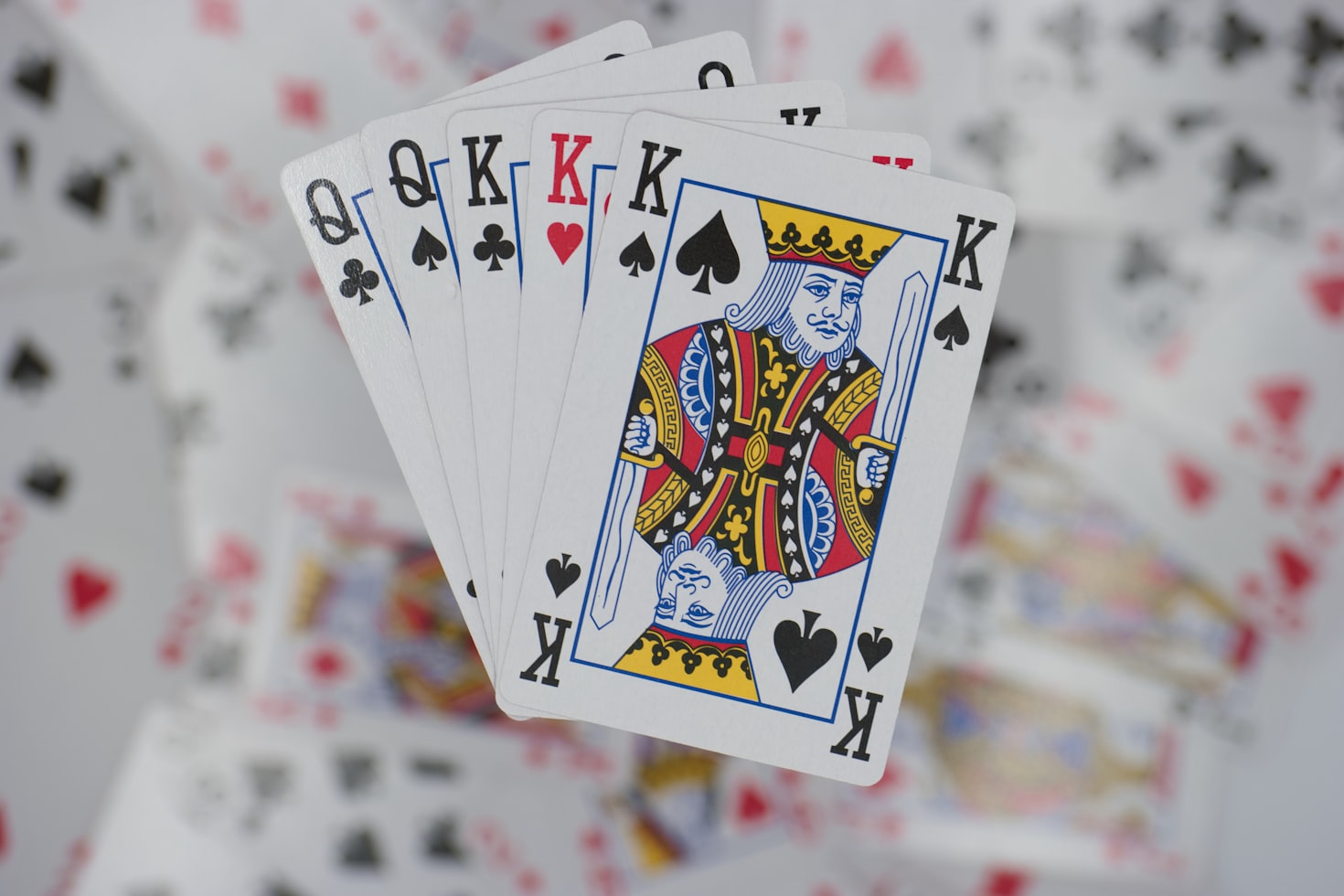
In ancient China, the practice of gambling was formalized with the creation of games such as Keno, which were used not only for entertainment but also to raise funds for public works. Meanwhile, the Romans incorporated gambling into their culture, with public games and betting becoming commonplace during festivities. This historical context set the stage for the diverse gambling practices that would emerge over the centuries.
The Rise of Formal Gambling Institutions
The Middle Ages marked a significant shift in the gambling landscape, with the establishment of formal institutions such as casinos. The first official casino, the Ridotto, opened in Venice in 1638, providing a structured environment for gambling that included various games. This era saw the emergence of card games, roulette, and other forms of betting, creating an organized framework for players.
As gambling gained popularity, European countries began to regulate the industry, imposing rules and taxes. The establishment of lotteries during this period also allowed governments to fund projects while providing citizens with a chance to win big. These developments laid the groundwork for the modern gambling establishments we see today, transitioning from informal betting to regulated gaming venues.
The Impact of Technological Advancements
The 19th century introduced significant technological advancements that transformed gambling. The invention of the mechanical slot machine in the late 1800s revolutionized the industry by providing a new, exciting way for people to gamble. These machines quickly gained popularity in bars and saloons, leading to the establishment of a booming gambling culture.
The advent of the internet in the late 20th century further reshaped gambling by introducing online platforms. This shift allowed players to engage in gaming from the comfort of their homes, increasing accessibility and attracting a broader audience. Online gambling exploded in popularity, leading to the development of various virtual games and betting options, marking a new chapter in the evolution of gambling.
The Modern Era: Online vs. Offline Gambling
Today, gambling encompasses both online and offline experiences, each with distinct advantages and challenges. Offline gambling remains popular in traditional settings such as casinos and betting shops, providing social interaction and a tactile experience that many players enjoy. The atmosphere of physical casinos, with their vibrant environments and live entertainment, continues to attract numerous visitors.
Conversely, online gambling offers unparalleled convenience and variety. Players can access a wide range of games and betting options from anywhere in the world, often accompanied by enticing bonuses and promotions. However, this shift has also raised concerns regarding regulation, player safety, and responsible gambling practices, making it essential for operators to address these issues to foster a secure environment.

Conclusion: The Future of Gambling
The journey of gambling has evolved significantly through the ages, and its future remains promising. With technological advancements continuing to shape the landscape, we can expect innovative gaming experiences that blend virtual reality, artificial intelligence, and blockchain technology. This evolution will not only enhance player engagement but also drive the industry’s growth.
As we move forward, it is crucial for gambling operators and regulators to prioritize player safety and responsible gaming practices, ensuring that the enjoyment of gambling is balanced with the well-being of participants. The historical journey of gambling illustrates its resilience and adaptability, and it will undoubtedly continue to flourish in the years to come.